Sustainable E-commerce Trends Businesses Should Watch in 2026
In this article
- Sustainable E-commerce Trends Businesses Should Watch in 2026
- Introduction
- Why Sustainable Ecommerce Is a Business Priority in 2026
- Trend 1: Eco-Friendly Ecommerce Packaging and Fulfillment
- Trend 2: Sustainable Ecommerce Platforms and Green Technology
- Trend 3: Green Online Shopping Experiences
- Trend 4: Ethical Sourcing and Transparent Supply Chains
- Trend 5: Carbon-Neutral and Low-Emission Operations
- Trend 6: Circular Economy and Product Lifecycle Management
- Trend 7: Data-Driven Sustainability Decisions
- Trend 8: Consumer Education and Sustainable Branding
- How Businesses Can Prepare for Sustainable Ecommerce in 2026
- Conclusion
Sustainable E-commerce Trends Businesses Should Watch in 2026
Introduction
Sustainability is no longer a buzzword-it has become a core business requirement. As consumers become more environmentally conscious, businesses are being pushed to rethink how they operate online. In 2026, sustainable ecommerce is not just about reducing carbon footprints; it is about building resilient, ethical, and future-ready digital businesses. Companies that ignore this shift risk losing customer trust, market relevance, and long-term growth.
This blog explores the most important sustainable ecommerce trends businesses should watch in 2026, explains why they matter, and shows how brands can adapt. Whether you are a startup, a growing brand, or an established enterprise, understanding these trends will help you build a sustainable online business that aligns with customer expectations and global environmental goals.
Why Sustainable Ecommerce Is a Business Priority in 2026
The rise of sustainable ecommerce is driven by a mix of consumer demand, regulatory pressure, and operational efficiency. Shoppers today actively choose brands that demonstrate responsibility, transparency, and ethical values. Studies consistently show that customers are more likely to buy from companies that support eco-friendly ecommerce practices and reduce environmental harm.
Governments and regulators are also tightening rules around packaging waste, emissions, and data transparency. As a result, businesses are being encouraged or required to adopt sustainable ecommerce platforms and greener operational models. Beyond compliance, sustainability helps businesses reduce costs, improve supply chain efficiency, and build stronger brand loyalty.
In short, sustainable ecommerce is no longer optional. It is a strategic advantage that defines how successful online businesses will be in 2026 and beyond.
Trend 1: Eco-Friendly Ecommerce Packaging and Fulfillment
One of the most visible sustainable ecommerce trends is the shift toward environmentally responsible packaging. Excessive plastic, oversized boxes, and non-recyclable materials are being replaced with biodegradable, compostable, and reusable alternatives. Eco-friendly ecommerce packaging not only reduces waste but also improves brand perception.
Businesses are also optimizing fulfillment processes to cut emissions. This includes local warehousing, smarter inventory management, and route optimization for deliveries. These changes directly support green online shopping, as customers increasingly prefer brands that minimize environmental impact during shipping.
For businesses, adopting eco-conscious packaging and fulfillment is a practical first step toward sustainable ecommerce, offering both environmental and cost-saving benefits.
Trend 2: Sustainable Ecommerce Platforms and Green Technology
Technology plays a major role in enabling sustainable ecommerce. Modern sustainable ecommerce platforms are designed to be energy-efficient, scalable, and environmentally responsible. At the same time, prioritizing ecommerce security ensures that as businesses adopt greener platforms, customer data and transactions remain fully protected, building trust alongside sustainability efforts.
In 2026, businesses are prioritizing platforms that support sustainability reporting, carbon tracking, and ethical integrations. Choosing the right sustainable ecommerce platforms helps brands align technology decisions with sustainability goals while maintaining performance and security.
This shift also supports the growth of a sustainable online business, as greener technology infrastructure leads to long-term operational stability and reduced environmental impact.
Trend 3: Green Online Shopping Experiences
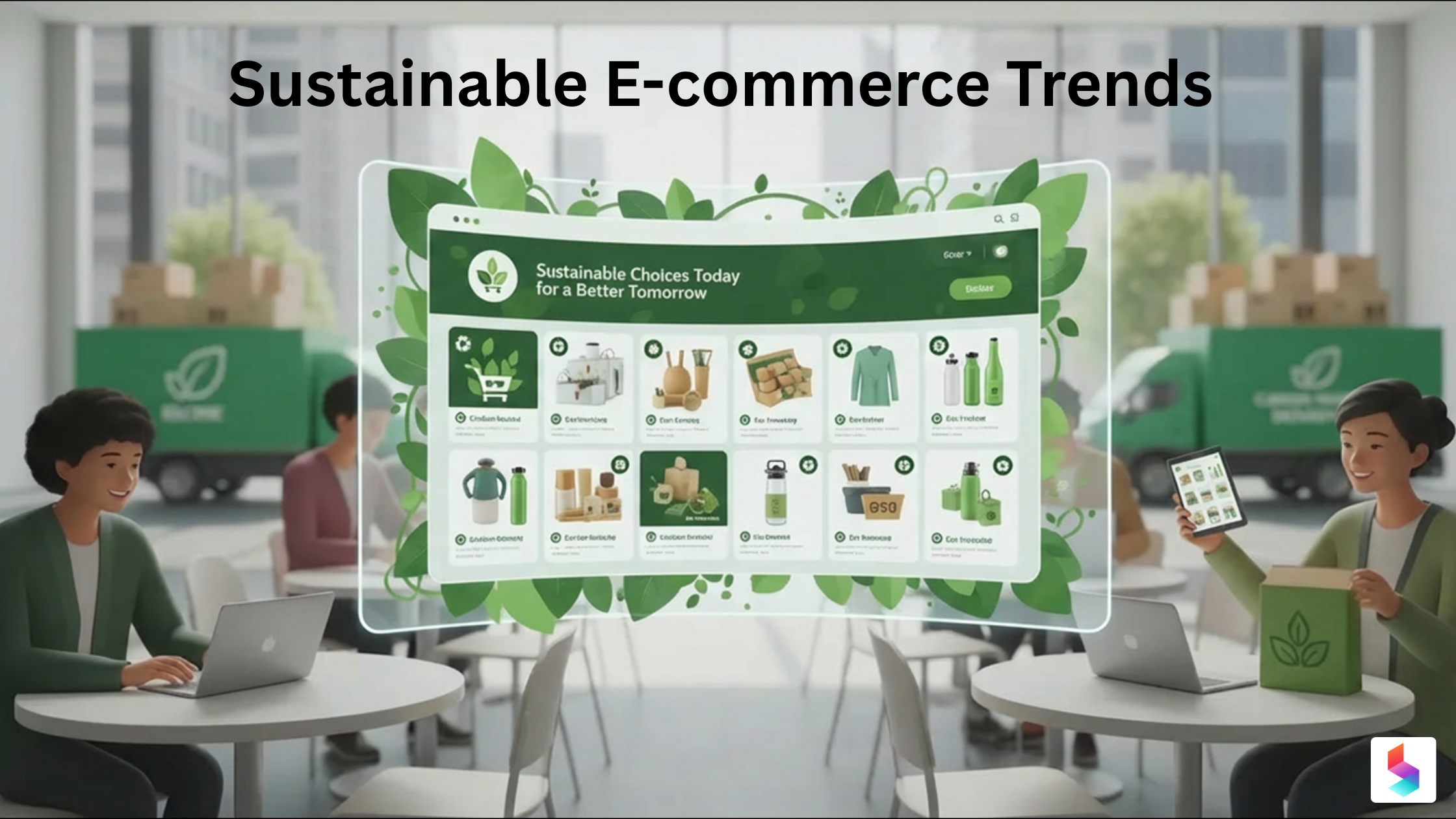
Consumers want more than just sustainable products-they want sustainable experiences. Green online shopping focuses on transparency, education, and responsible choices throughout the customer journey. This includes clearly displaying sustainability credentials, ethical sourcing information, and environmental impact metrics.
Businesses embracing sustainable ecommerce are simplifying returns, offering eco-friendly delivery options, and encouraging conscious consumption. By integrating sustainability into UX and communication, brands make it easier for customers to participate in responsible shopping.
A strong green online shopping experience builds trust, increases engagement, and positions businesses as leaders in eco-friendly ecommerce.
Trend 4: Ethical Sourcing and Transparent Supply Chains
Transparency is at the heart of sustainable ecommerce. Customers increasingly demand to know where products come from, how they are made, and who is involved in the process. Ethical sourcing, fair labor practices, and responsible manufacturing are now critical components of a sustainable online business.
Brands are investing in supply chain visibility tools to track materials, labor conditions, and environmental impact. This transparency strengthens credibility and supports long-term customer relationships. It also aligns with the expectations of eco-friendly ecommerce consumers who value honesty and accountability.
In 2026, ethical sourcing is no longer a differentiator-it is a baseline requirement for sustainable ecommerce success.
Trend 5: Carbon-Neutral and Low-Emission Operations
Carbon neutrality is becoming a defining factor in sustainable ecommerce strategies. Businesses are measuring emissions across logistics, packaging, and digital operations, then reducing or offsetting them through verified programs.
This approach supports eco-friendly ecommerce goals while responding to consumer demand for accountability. Brands that actively communicate their carbon reduction efforts strengthen their position in the green online shopping ecosystem.
For businesses, carbon-neutral initiatives are not just about environmental responsibility-they also improve operational efficiency and brand trust within the sustainable ecommerce landscape.
Trend 6: Circular Economy and Product Lifecycle Management
The circular economy is reshaping sustainable ecommerce by focusing on reuse, repair, and recycling. Instead of a linear “buy-use-dispose” model, businesses are offering take-back programs, refurbished products, and extended product lifecycles.
This approach supports sustainable online business growth by reducing waste and maximizing product value. Customers engaged in green online shopping appreciate brands that help them make responsible post-purchase decisions.
In 2026, circular models will be a key pillar of sustainable ecommerce, helping businesses reduce environmental impact while unlocking new revenue streams.
Trend 7: Data-Driven Sustainability Decisions
Data is becoming a powerful driver of sustainable ecommerce. Businesses are using analytics to measure emissions, optimize inventory, reduce waste, and improve logistics efficiency. These insights allow brands to make informed decisions that support eco-friendly ecommerce goals.
Advanced reporting tools integrated into sustainable ecommerce platforms help businesses track progress, meet compliance requirements, and communicate impact transparently. This data-driven approach ensures sustainability efforts are measurable, credible, and scalable.
For any sustainable online business, data is essential for turning sustainability from intention into action.
Trend 8: Consumer Education and Sustainable Branding
Education plays a crucial role in sustainable ecommerce. Brands that clearly explain their sustainability efforts help customers understand the value behind responsible choices. This includes content on ethical sourcing, packaging decisions, and environmental impact.
Effective storytelling strengthens eco-friendly ecommerce positioning and builds emotional connections with customers. Businesses that educate rather than simply promote earn greater trust and loyalty.
In the competitive green online shopping market, informed consumers are more likely to support brands that align with their values.
How Businesses Can Prepare for Sustainable Ecommerce in 2026
To succeed in sustainable ecommerce, businesses must take a proactive and strategic approach. This includes choosing the right sustainable ecommerce platforms, auditing supply chains, investing in green technologies, and embedding sustainability into brand culture. Brands can also leverage AI Ecommerce Personalization to offer tailored product recommendations that align with customers’ eco-conscious preferences, making sustainable shopping more intuitive and engaging.
Collaboration is equally important. Working with ethical suppliers, logistics partners, and technology providers helps create an ecosystem that supports long-term sustainable online business growth.
Preparation today ensures businesses remain competitive, compliant, and trusted in the evolving eco-friendly ecommerce landscape.
Conclusion
The future of online business is undeniably sustainable. In 2026, sustainable ecommerce will define how brands grow, compete, and connect with customers. From eco-friendly ecommerce packaging and sustainable ecommerce platforms to ethical sourcing and green online shopping experiences, these trends represent both a challenge and an opportunity.
Businesses that embrace sustainability today will not only reduce environmental impact but also build stronger brands, deeper customer trust, and long-term resilience. By aligning strategy, technology, and values, companies can create a truly sustainable online business ready for the future.
In the years ahead, sustainable ecommerce will not just shape the market-it will shape the expectations of every customer who shops online
Frequently Asked Questions
1. What is sustainable ecommerce and why is it important in 2026?
Sustainable ecommerce means running online businesses responsibly by reducing environmental impact and following ethical practices. It is important in 2026 because customers and regulators expect transparent and eco-conscious operations.
2. How can small businesses adopt sustainable ecommerce?
Small businesses can start by using eco-friendly ecommerce packaging, reducing waste, and choosing sustainable ecommerce platforms. Small changes can still create a strong, sustainable online business.
3. What role do sustainable ecommerce platforms play?
Sustainable ecommerce platforms support energy-efficient operations, green hosting, and sustainability tracking. They help businesses grow while meeting eco-friendly ecommerce goals.
4. What is green online shopping?
Green online shopping focuses on responsible buying through ethical sourcing, eco-friendly delivery, and transparent product information. It benefits both customers and businesses.
5. Is sustainable ecommerce only about the environment?
No. Sustainable ecommerce also includes ethical sourcing, fair labor practices, and transparent supply chains, which are essential for long-term sustainable online business growth.